
Protect your home with 'Waterseal Waterproofing' — Ahmedabad’s Trusted Waterproofing Expert.
New Construction Waterproofing Services in Ahmedabad
We provide professional new construction waterproofing services in Ahmedabad to protect residential and commercial buildings from leakage, dampness, and structural damage. Our expert application ensures long-lasting, leak-proof protection from the foundation to the terrace—right from day one.
Free on-site inspection • Tailored quotes • 5+ year protection options available
New Construction Waterproofing Services in Ahmedabad – Complete Protection From Day One
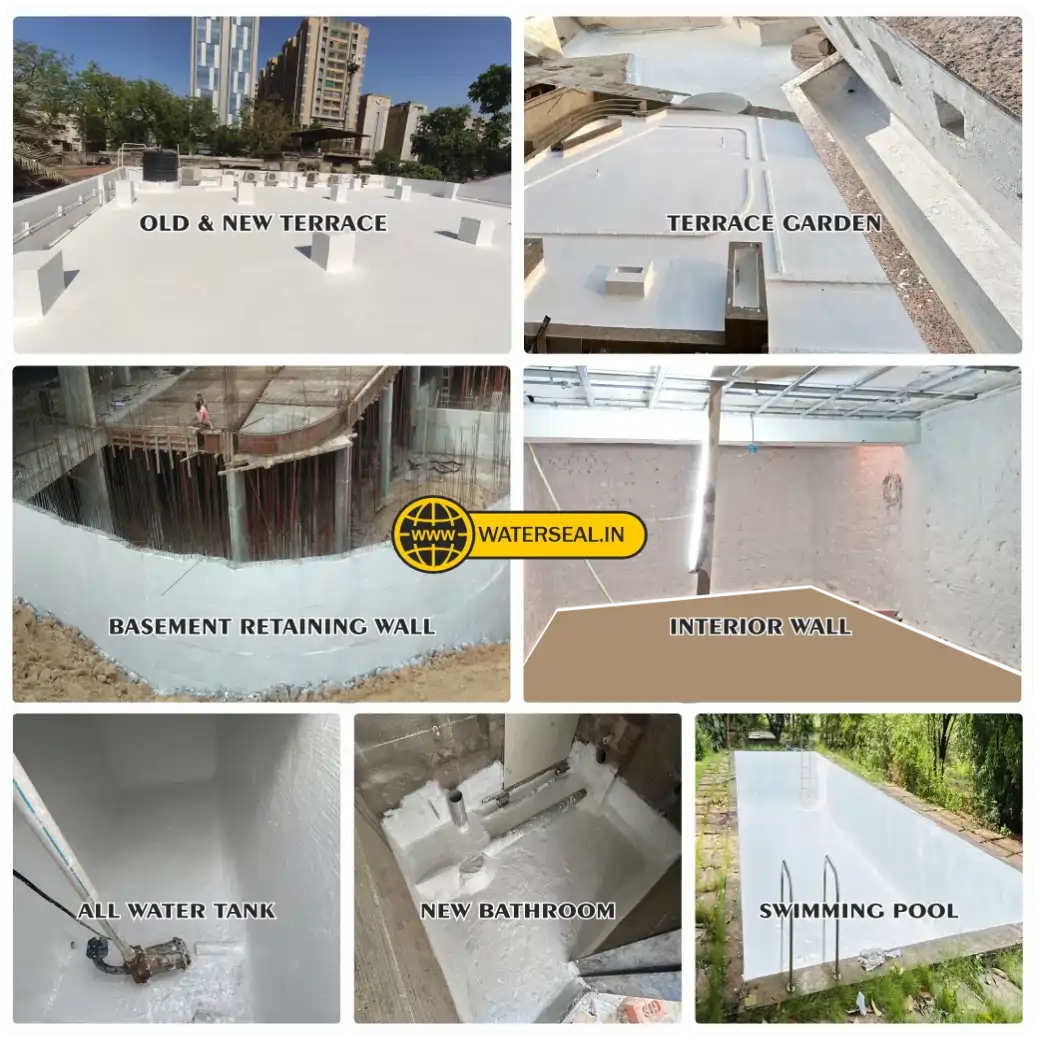
New construction waterproofing is the most crucial step in building a long-lasting, leak-proof home. When waterproofing is applied during construction, it blocks water seepage at the root, prevents future structural damage, and protects the building from dampness, cracks, and moisture-related issues. As part of this process, basement waterproofing during construction ensures that soil moisture never reaches the foundation, while bathroom sunken floor waterproofing stops leakage from drain outlets and wet areas. From the foundation and basement to bathrooms, balconies and the terrace slab, every part of a new building requires proper waterproofing to ensure durability, strength, and long-term safety.
Why Waterproofing Is Essential in New Building Construction
Waterproofing during construction is crucial for protecting your home from long-term moisture damage. By treating all critical areas at the initial stage, you ensure a strong, healthy and maintenance-free building.
Waterproofing helps to:
Prevent water leakage from bathrooms, terraces, pipes and external walls
Avoid damp patches, mold, fungal smell and peeling paint
Protect the building’s structural integrity by blocking moisture from entering concrete
Reduce future repair and maintenance costs
Increase the lifespan and durability of the building
Without proper new construction waterproofing, the building becomes highly vulnerable to:
Rainwater penetration
Ground moisture from soil
Plumbing leakages
Surface cracks and seepage
These issues are difficult and expensive to fix once the building is complete — therefore waterproofing must be done at the construction stage itself.
9 Essential Areas to Waterproof in New Construction
Proper waterproofing during construction protects your building from future leakage, dampness and structural damage. These are the most critical areas that must be waterproofed while constructing a new building:
1. Basement & Foundation Walls
Stops underground seepage, soil moisture penetration and rising damp from entering the lower structure.
2. Exterior Walls & Parapet Joints
Prevents rainwater intrusion, surface cracks and moisture absorption through outer walls.
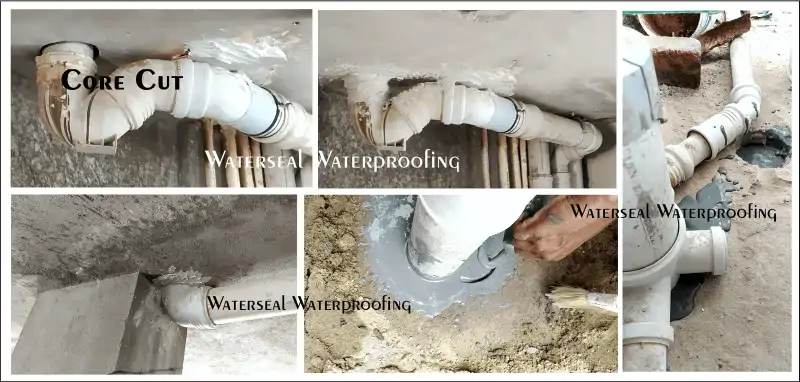
3. Bathrooms & Sunken Floors (Core Treatment)
Ensures leak-proof bathrooms by waterproofing sunken slabs, drain outlets and pipe joints during construction.
4. Kitchen Outlet & Drainage Core Points
Blocks hidden leaks near kitchen sink outlets, drain traps and plumbing connections.
5. Slab and Expansion Joints
Seals movement joints to prevent future water entry caused by temperature expansion or concrete shrinkage.
6. Terrace Slab, Roof Slope & Parapet Wall Areas
Protects the most exposed parts of the building from monsoon damage, ponding water and surface cracks.
7. Underground & Overhead Water Tanks
Ensures a leak-proof water tank system by sealing joints, walls, corners and internal surfaces.
8. Swimming Pool Waterproofing
Provides strong water retention and eliminates leakage in swimming pools, water bodies or decorative tanks.
9. Balconies, Utility Spaces & Wash Areas
Waterproofs small outdoor zones that are frequently exposed to rain and plumbing moisture.
How to Do Waterproofing During New Construction
Apply high-quality materials like Waterseal PSV coating to critical zones. During new construction waterproofing, make sure:
Surface is clean, dust-free, and dry
Cracks and gaps are sealed before coating
Multiple layers are applied where necessary
Protective curing is done before plastering or tiling
Effective new construction waterproofing acts as a permanent barrier, preventing leaks, mold, and wall damage.
Looking for all types of waterproofing?
Explore our complete Waterproofing Services Guide for every type of waterproofing solution.
View all types of Waterproofing Services in Ahmedabad →Why Does Concrete Require Waterproofing?
Concrete may look strong, but it naturally develops micro-cracks and absorbs moisture over time. Without proper waterproofing during construction, problems such as:
Corrosion of steel reinforcement
Surface cracks, damp patches and peeling paint
Weakening of foundations and structural elements
…become common in just a few years.
Waterproofing seals these risks by blocking moisture penetration, protecting the concrete from internal damage, and ensuring your building stays strong for decades.
Roof Slope and Drainage in New Construction
Terrace waterproofing is one of the most important steps in new building construction. A proper roof slope ensures that rainwater flows smoothly toward drainage outlets without stagnating.
During construction:
Provide minimum 1:100 slope using concrete tapering
Install adequate drainage points
Avoid flat surfaces that hold water
Apply waterproof coatings only after slope correction
A well-designed roof slope prevents water ponding, leakage into slabs, and long-term structural damage.
Conclusion
Investing in proper new construction waterproofing is the smartest way to protect your home. From basements to terraces, each part of your building must be sealed against moisture from the start. Use tested waterproofing chemicals like Waterseal PSV to achieve long-term durability, leak protection, and peace of mind.
Ready to waterproof your new home? Contact Waterseal today or explore our PSV waterproofing chemical for professional and DIY use. Watch this Video
Basement Retaining Wall Waterproofing Solutions
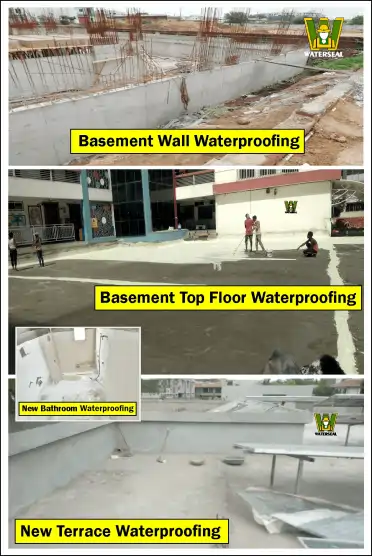
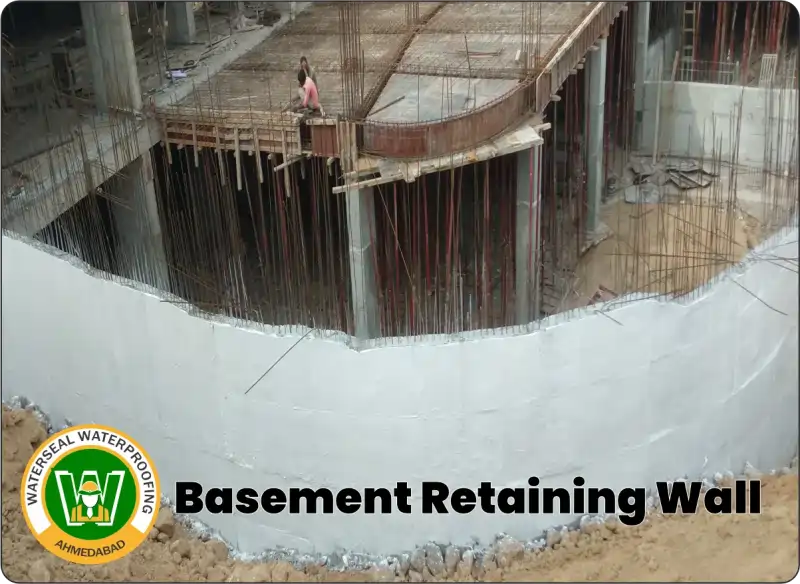
Basement walls stay in constant contact with wet soil, making them highly vulnerable to seepage and moisture entry. To keep your basement dry and structurally safe, the exterior retaining walls must be waterproofed during construction.
If ignored, basement walls may suffer:
Water seepage and damp patches
Mold and foul smell
Weakening of concrete and plaster
Damage to stored items and interior finishes
Proper basement wall waterproofing provides long-lasting protection by blocking soil moisture, improving indoor air quality, and increasing the life of the structure.
Waterproofing Above Basement Slab
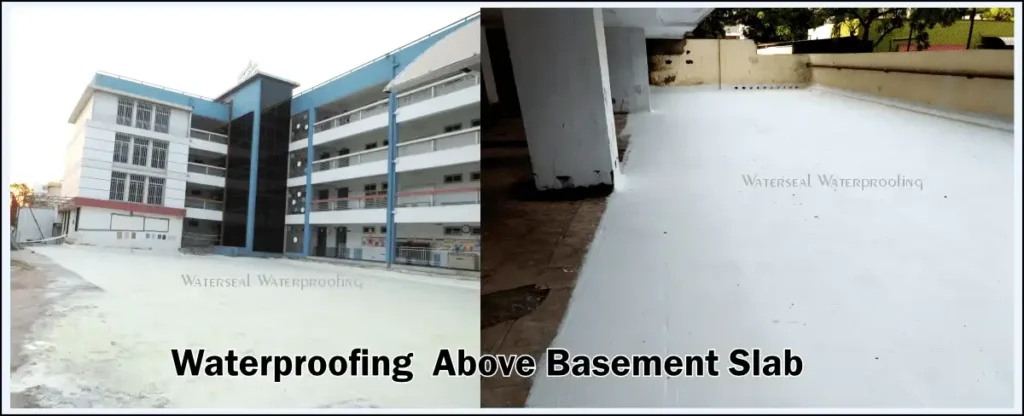
If your basement is used for parking, storage, a play area or a utility room, and the upper floor is open to rainwater, waterproofing the slab above the basement becomes essential.
When rainwater collects on the floor above:
It seeps through the slab
Causes dampness on the basement ceiling
Creates cracks, stains, and structural damage
To avoid this, the entire upper floor must be waterproofed with proper slope, crack treatment and chemical coating. This ensures that water never penetrates into the basement below.
Bathroom Sunken Floor Waterproofing for New Buildings

Method for the new bathroom Waterproofing
- Cleaning the floor area in the bathroom.
- All Core Filling
- Apply the first layer to fill the invisible cracks and small holes with diluted silicone.
- Applying the second and third layers of silicone-based sealant to strengthen the surface.
- Applying the last of Waterseal PSV with a sprayer or brush.
Best chemical waterproofing for bathrooms.
Prevent seepage and leakages in ceilings below the Bathroom floor
Water Tank, Swimming Pool, Fountain & Terrace Garden Waterproofing

Water-holding structures need strong, flexible and long-lasting waterproofing during construction. This includes:
Overhead and underground water tanks
Swimming pools and plunge pools
Fountain tanks and decorative water bodies
Terrace gardens, planters and fish ponds
Jacuzzi and spa areas
Proper waterproofing here prevents leakage, water wastage, algae formation, contamination, and structural deterioration.
New Terrace, Roof, Parapet, Balcony & Terrace Garden Waterproofing
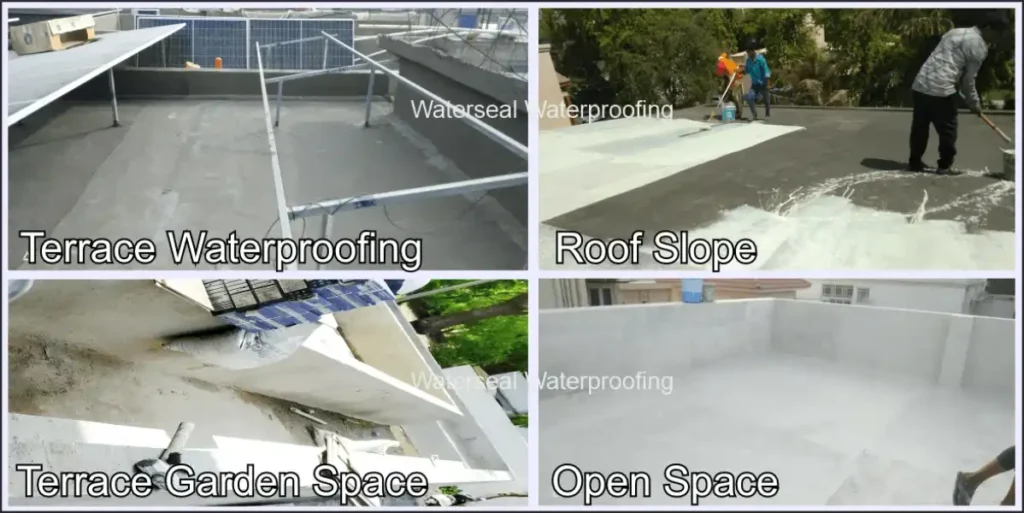
Terraces and outdoor areas receive the maximum exposure to sun and rain. Our new construction waterproofing solutions ensure complete protection for:
Terrace slabs and roof slopes
Parapet walls
Balconies and utility areas
Terrace garden and planters
Using advanced waterproof coatings, crack sealers and flexible membranes, our team makes these outdoor spaces 100% waterproof, durable and long-lasting.
Where Waterproofing Is Required in New Construction
Waterproofing must be applied during construction to protect the structure from long-term leakage and moisture damage. Critical areas include basement waterproofing during construction, slab above the basement, bathroom and kitchen sunken floors, and pipe outlet zones. Treating these areas early prevents seepage, rising damp and structural weakening.
Essential Areas That Need Protection
New buildings also require waterproofing for terrace slabs, parapet walls, balconies, water tanks, utility areas and garden planters. Proper bathroom sunken floor waterproofing and terrace protection keep the building leak-proof, reduce future repair costs and ensure long-term durability and safety.
✅ New Construction Waterproofing – FAQs
Why is waterproofing important during new construction?
Waterproofing during construction prevents future leakage, dampness, and structural deterioration. By sealing critical areas such as basements, sunken floors, terraces, tanks and parapets at the time of building, you avoid costly repairs and ensure long-term durability.
Which areas should be waterproofed in a new building?
Key areas include the basement exterior walls, slab above the basement, bathrooms, kitchen outlets, terrace slab, parapet walls, balconies, water tanks, swimming pools, and terrace gardens. These moisture-prone zones must be treated during construction to ensure a leak-proof structure.
Can waterproofing be done without tiles or final finishing?
Yes. New construction waterproofing is applied before tile installation and final finishing. Waterproof coatings, PSv-Premix chemicals, and membrane systems are applied directly on the concrete surface, ensuring a strong waterproof base layer that lasts for years.
How long does new construction waterproofing last?
Waterseal’s waterproofing systems generally last 5–10 years depending on the treated area, thickness, surface preparation and exposure to weather. With proper slope, drainage and maintenance, protection can last even longer.
What happens if waterproofing is skipped during construction?
Skipping waterproofing can lead to water leakage, damp patches, mold growth, peeling paint, cracks, and structural weakening. Fixing these problems later becomes expensive and time-consuming. Applying waterproofing during construction avoids these risks entirely and keeps your building safe.
Build it Right the First Time — Waterproof Your New Construction Today!
Get expert new construction waterproofing for basements, terraces, bathrooms, and water tanks.
Book your free site inspection now!
29+ Years of Waterproofing Excellence — Protect Your New Building with Waterseal.